
Road noteThe road climbs from Abu Road in a long series of bends; allow about an hour. Dilwara bans leather and shoes inside, and hours for visitors are restricted.
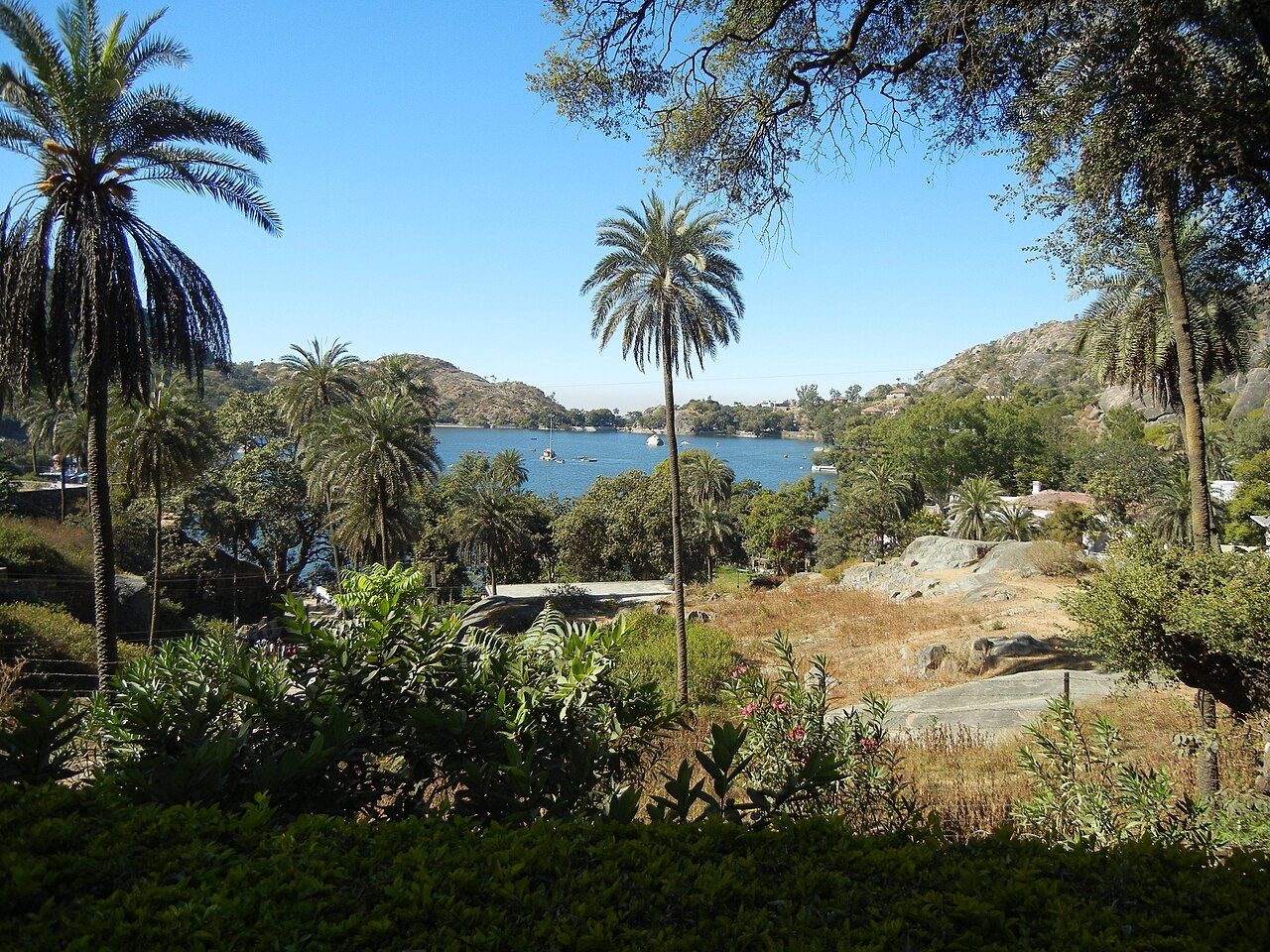
Most of Rajasthan is a land of plains and dunes, low ridges and wide sky. Mount Abu is the exception: a granite plateau at about 1,200 m in the southern Aravallis, close to the border with Gujarat, with forest on its slopes and a lake in its middle. It is Rajasthan's only hill station, and from the plains in April you can feel why people climb it. The air at the top is noticeably cooler, and in winter the evenings can be properly cold.
It is also a busy place. Families come up from Gujarat and the rest of Rajasthan for holidays, and the town around the lake fills on weekends and festival days. The quieter Mount Abu is found early in the morning, on the walking paths, and at the Dilwara temples at the edge of town, which are the real reason to make the trip.
The climb up
The road leaves the plains at Abu Road, the railway town at the foot of the hills, and climbs through bends and forest to the plateau. Allow about an hour. The views back over the plains open and close as you go, and the temperature drops as you rise. Drive with care: the road is good but carries buses, and monkeys sit on the parapets as if they own them.
Coming from Udaipur, the drive is a long half day; from Ranakpur it is a natural next step, since Ranakpur and Dilwara are two of the great Jain temple sites of the region. Our guide to the temple at Ranakpur covers the other half of that pairing.
Nakki Lake
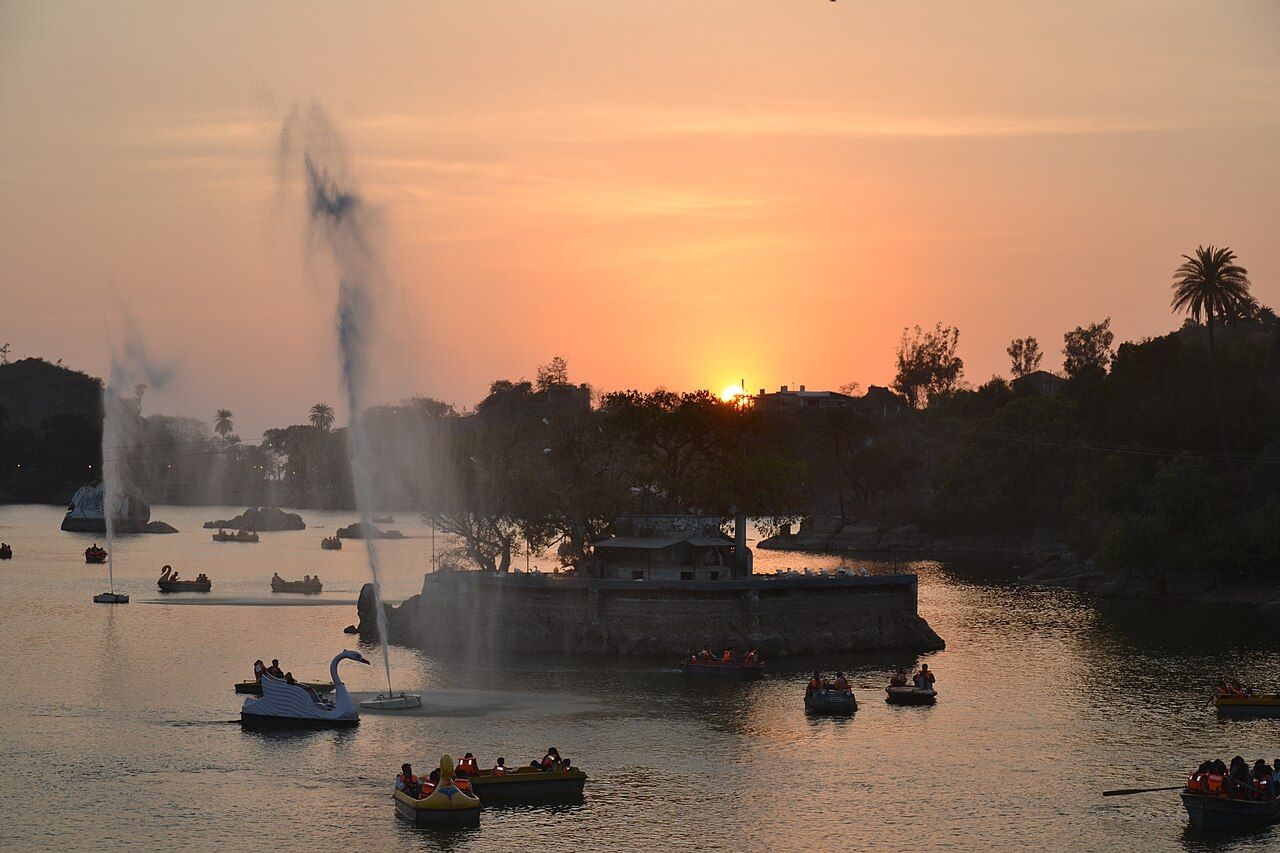
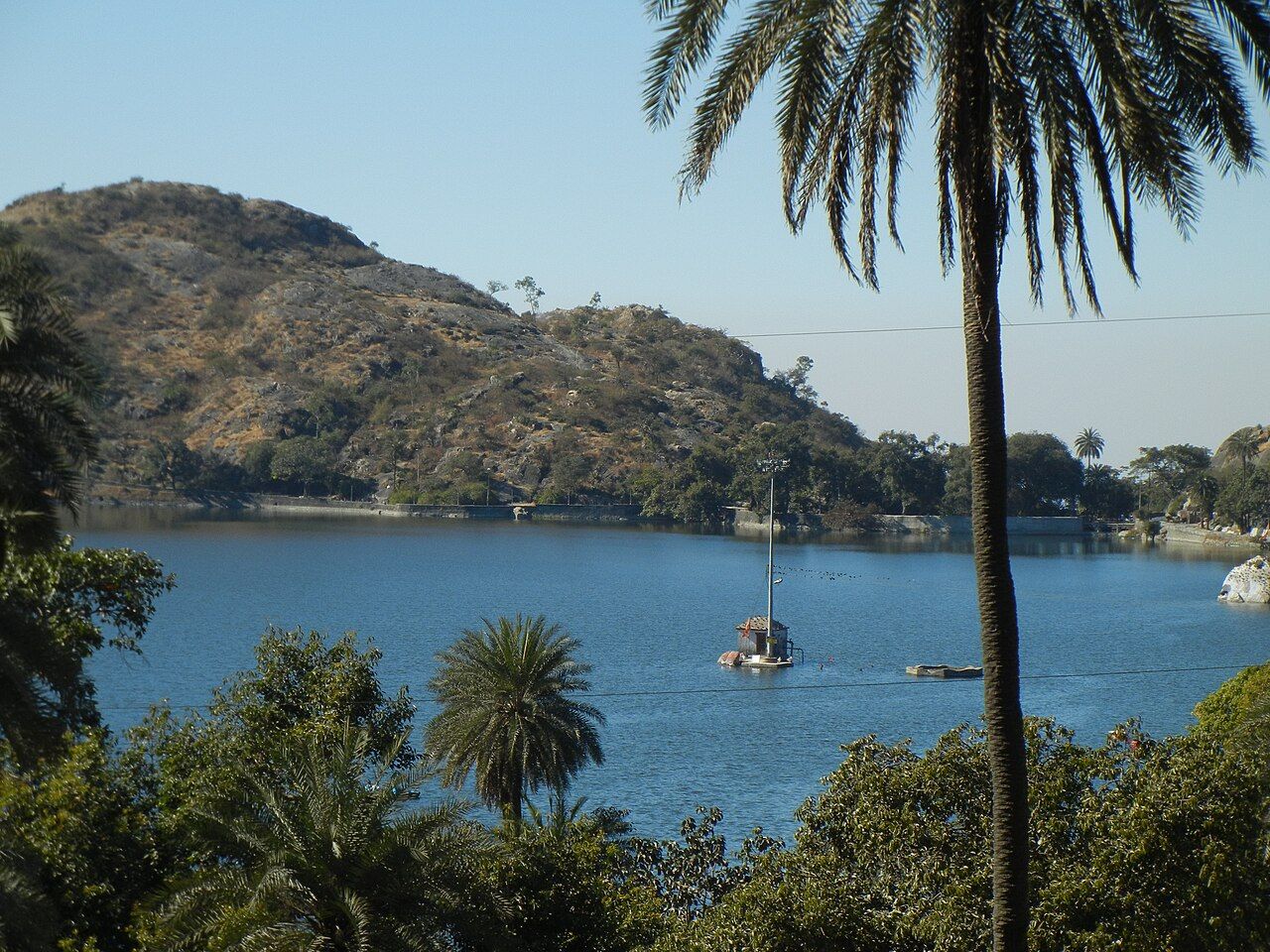
The town is built around Nakki Lake, a small lake ringed by hills and boulders. It is the social centre of Mount Abu. In the evening the promenade fills with families, rowing and pedal boats go out on the water, and the low sun turns the surface orange. There is a legend that the lake was dug by the gods with their fingernails, which is where the name is said to come from.
For a quieter view, walk up into the hills around the lake in the morning, when the water is still and the paths are empty. Strange weathered rocks stand on the ridges, worn by wind into shapes that people have named after animals. Keep to marked paths, take water, and be back before dark: the plateau is also a wildlife sanctuary, and the forest is home to leopards and sloth bears, rarely seen but present.
The Dilwara temples
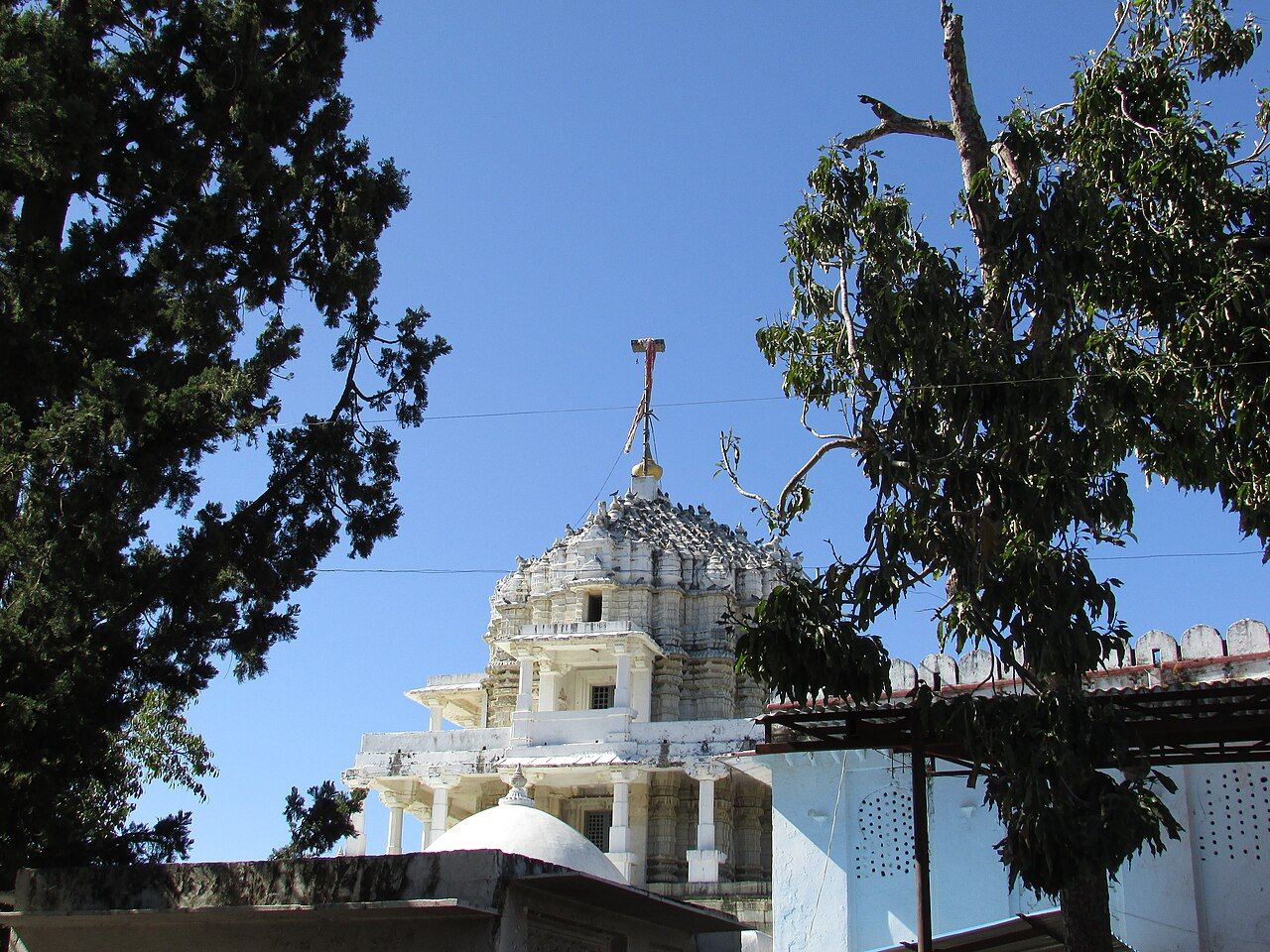
A few kilometres from the lake, behind plain outer walls, are the Dilwara temples: a group of five Jain temples built between the 11th and 13th centuries. From outside they look almost modest. Inside is some of the most delicate marble carving in India.
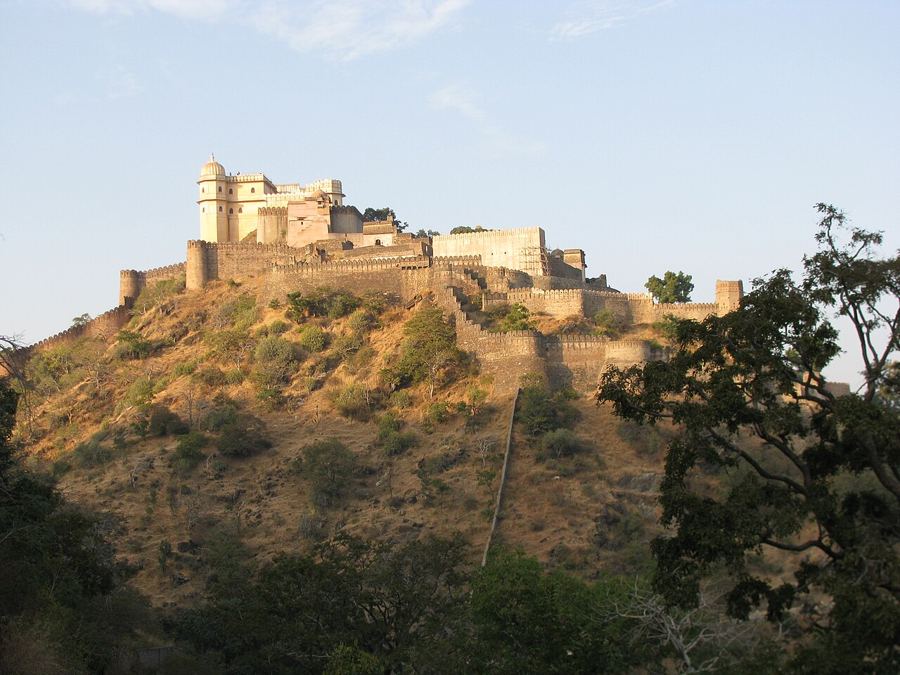 Worth the detour · KumbhalgarhKumbhalgarh and its long wall
The oldest, Vimal Vasahi, was built in 1031 by Vimal Shah, a minister of the Chaulukya kings of Gujarat, and is dedicated to Adinath, the first tirthankara. Luna Vasahi, built in 1230 by the brothers Vastupala and Tejapala for Neminath, the twenty-second tirthankara, is the other great work. In both, the marble of the ceilings and domes is cut so thinly in places that it becomes almost translucent: lotus pendants hang from the centre of domes, ring upon ring of tiny figures circle inward, and doorways and brackets are carved like lace.
The marble came up the hill without modern roads or machinery, and the carving was done by hand, in the same white stone, across many years. Standing under the main dome of Luna Vasahi, it is hard to see where the stone ends and the shadow begins.
Rules at Dilwara
Dilwara is a living place of worship and its rules are firm.
- Photography is not allowed inside. Cameras and phones are usually deposited at the gate.
- Hours for visitors who are not Jain are restricted, usually in the afternoon.
- No leather, no shoes inside, and shoulders and knees covered.
- Food stays outside, and silence is expected inside.
Visits may be in groups led by a temple attendant, which moves at a steady pace. If you want longer under a particular ceiling, ask politely; and remember that the photographs you might want to take are the reason for the rule. You have to look properly instead.
Guru Shikhar and the far end of the plateau
At the north-eastern end of the plateau is Guru Shikhar, the highest point of the Aravallis at about 1,722 m. A road takes you most of the way, and the last part is a climb of steps to a small temple at the summit. On a clear day the views stretch over the hills and down to the plains, a long way below. In the haze of the hot months they can vanish altogether, so go early.
On the way there are other temples and viewpoints, and the old fort of Achalgarh sits on a hill nearby with its own temple. None demands a long visit, but together they fill a slow morning.
How many days the hill deserves
October to March is the best season for Mount Abu: clear skies, cool days and cold nights. April to June is when the plains are at their hottest and the hill station is at its busiest, since this is exactly the escape people come for. The monsoon, roughly July to September, brings mist and rain, green slopes and slower roads.
One full day is enough to see Dilwara, walk around Nakki Lake and reach Guru Shikhar. Two days gives you the mornings, which are when the plateau is at its quietest. Mount Abu also sits on the long way between Mewar and Gujarat; if you are coming from the lakes of Udaipur, it makes a cool pause before the plains again.
Next in Mewar: Udaipur's City Palace, courtyard by courtyard